How to Grade Your Backyard: Key Tips & Mistakes to Avoid in 2025
Ask any contractor: the best patios, pools, and plantings all start with proper grading. Without the right slope, water ends up where it shouldn’t—cracking pavers, drowning lawns, and flooding basements. If you’re planning a project in 2025, here’s what you need to know before a shovel hits the dirt.
What “Grading” Really Means
Grading is the process of shaping your yard’s soil to create the correct slope for drainage, stability, and future construction. In North Jersey, the sweet spot is usually a 2–5% slope away from the house—enough to move water, but not so steep that soil erodes.

Top 5 Do’s for Backyard Grading
-
Do plan for drainage first – Install French drains, swales, or downspout extensions before adding patios or sod.
-
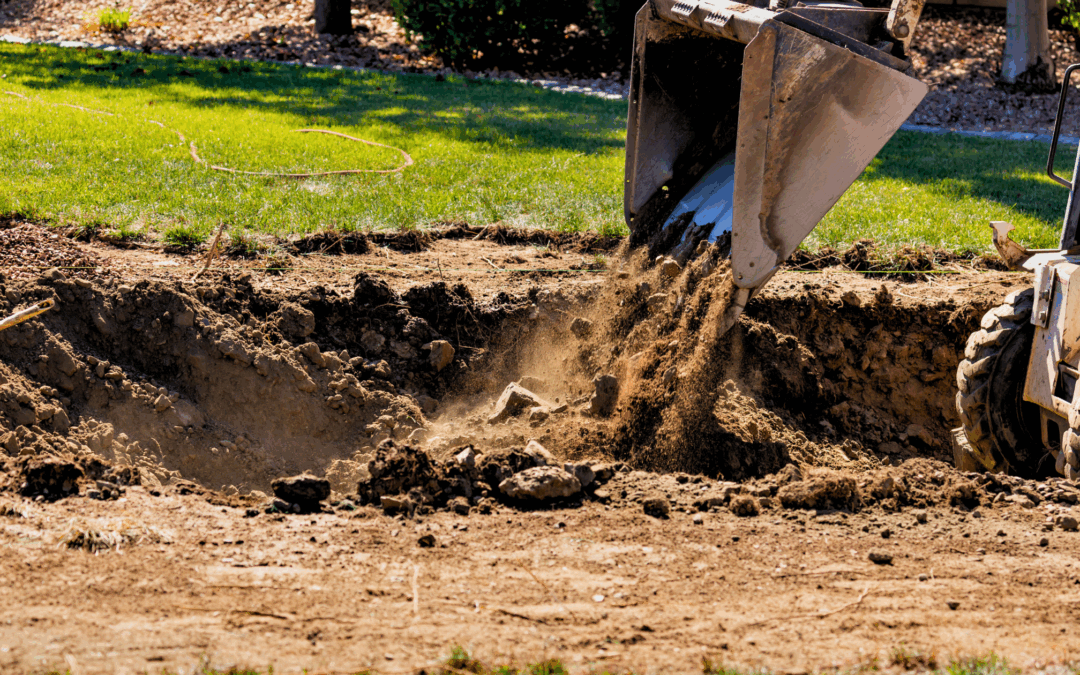
Do use the right equipment – A skid-steer or mini-excavator beats a shovel when you’re moving serious dirt.
-
Do blend topsoil and subsoil – Keep nutrient-rich topsoil on top; don’t bury it under clay.
-
Do compact in lifts – Backfill and tamp in layers to avoid future settling.
-
Do call before you dig – Dial 811 to mark utilities and avoid costly surprises.
Top 5 Don’ts for Backyard Grading
-
Don’t push water toward the house – Even a slight reverse slope can flood a foundation.
-
Don’t skip a soil test – Know your soil type; clay holds water, sand drains fast, and each needs a different game plan.
-
Don’t ignore tree roots – Cutting large roots can destabilize mature trees (and your budget).
-
Don’t grade in wet conditions – Working saturated soil leads to ruts, compaction, and a mess.
-
Don’t rely on grass alone – Sod helps, but proper grading and drainage are what really move the water.

Need a Hand?
Based in Ringwood, NJ, Crevina Landscaping handles full site work, from rough grading to final sod. We bring the right equipment, crew, and know-how to make sure your yard drains right and builds right from day one. Ready to shape your space? Let’s talk.